

Table of Contents
- What Makes a Good Dog Walking Shoe
- Waterproof Dog Walking Shoes for Women: Why They Matter
- How to Choose Walking Shoes for Dog Owners
- Best Shoes for Walking Your Dog on Pavement
- Seasonal Considerations for Year-Round Walking
- Common Mistakes to Avoid When Choosing Dog Walking Shoes
- Shoe Maintenance and Longevity Tips
- Frequently Asked Questions
Last Updated: October 2, 2026
What Makes a Good Dog Walking Shoe
The best dog walking shoes for women combine arch support, reliable traction, and durable materials that withstand daily wear and unpredictable weather.
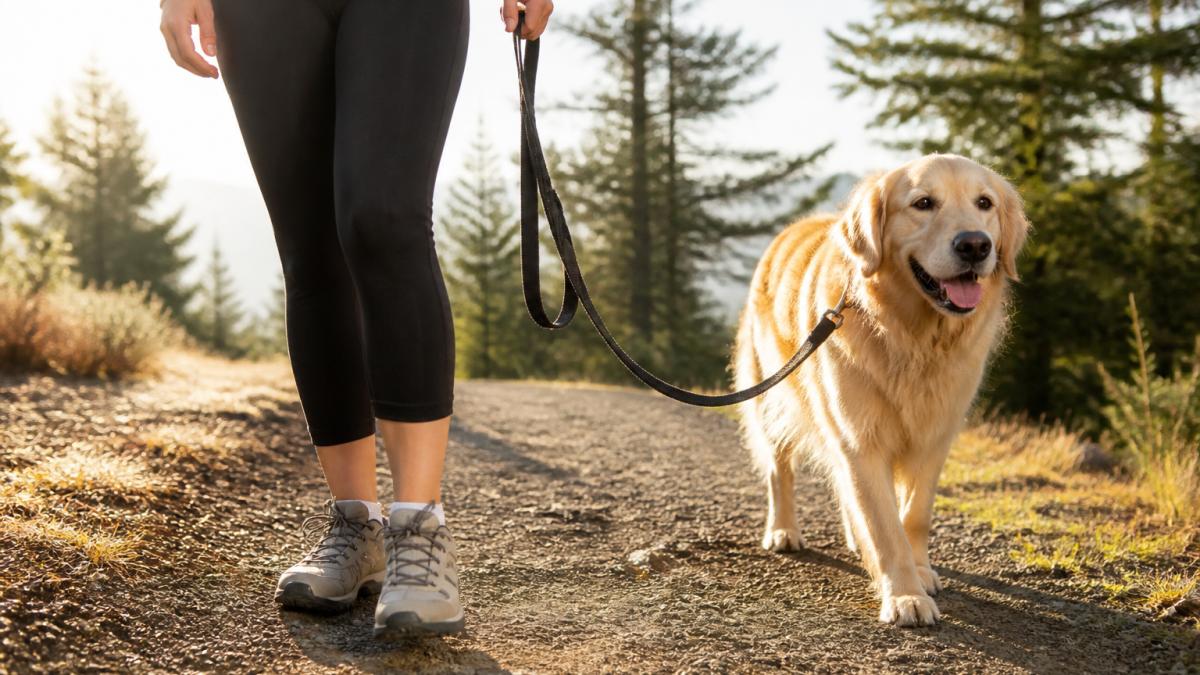
Dog walking demands shoes designed for managing a leash, adjusting pace, and longer distances than casual strolling.
Walking shoes differ from running shoes: they need more stability for frequent direction changes, better traction for inconsistent speeds, and durability for mud, water, and rough terrain.
Waterproof Dog Walking Shoes for Women: Why They Matter
Waterproof dog walking shoes for women are essential for year-round or wet-climate walking.
Waterproof shoes use sealed seams or membranes like Gore-Tex. Membranes tend to last longer through repeated washing.
Fully waterproof shoes can feel warm in summer. Look for breathable mesh panels or waterproof-resistant shoes (water-repellent coating without a full membrane) for warmer months.
Waterproof shoes keep your feet dry and focus on your pup, while extending footwear life by preventing water damage to the midsole and cushioning.
How to Choose Walking Shoes for Dog Owners
Choose walking shoes by matching features to your terrain and climate, not popularity.
Arch Support and Cushioning for Long Walks
Arch support reduces strain on your plantar fascia and prevents foot fatigue during extended walking periods.
Cushioning absorbs impact from repetitive foot strikes. Match the shoe's arch to your foot type: high arches need more support; flat feet need stability features preventing excessive inward rolling.
Traction and Outsole Grip on Different Terrains
A good outsole grip works on wet pavement, loose gravel, and muddy trails. Most quality walking shoes use rubber outsoles with multi-surface tread patterns.
Deep, angular grooves grip better than shallow patterns. A balanced rubber compound, harder for durability, softer for traction, works best for most dog owners.
All-terrain outsoles sacrifice peak performance on any single surface but deliver consistent grip everywhere.
Durability and Easy Maintenance
Quality construction with reinforced toe caps, sealed seams, and durable uppers extends shoe life through mud, water, and rough terrain.
Synthetic uppers clean faster, removable insoles dry quicker and can be replaced, and quick-drying shoes prevent odor and material breakdown.
Most quality walking shoes survive 300-400 miles (6-12 months of daily walking). Proper care, cleaning, air-drying, and rotating pairs, extends lifespan.
Best Shoes for Walking Your Dog on Pavement
Pavement walking demands slip-resistant outsoles and adequate cushioning for hard surfaces. Pavement shoes differ from trail or park shoes in terrain, surface consistency, and hazards.
Pavement-Specific Features
Pavement shoes need multidirectional tread for wet concrete and asphalt, responsive cushioning that absorbs impact without feeling spongy, and a slightly firmer midsole than trail shoes.
A moderate heel-to-toe drop (8-12mm) prevents calf strain and plantar fascia stress. A firm heel counter prevents excessive side-to-side motion.
Pavement vs. Trail vs. Park Walking Shoes
Pavement Walking: Slip-resistant multidirectional tread, firmer midsoles, lightweight construction. Muddy Trail Walking: Aggressive tread, softer midsoles, reinforced uppers, waterproofing. Grassy Park Walking: Moderate tread and cushioning, waterproof-resistant coatings.
Weight and Responsiveness on Pavement
Heavier shoes feel stable but tire feet faster on long walks. Lighter shoes reduce fatigue but may feel less protective. Most pavement shoes weigh 7-9 ounces; trail shoes exceed 10 ounces.
Responsiveness, how quickly the midsole returns to shape, matters on pavement. Poor responsiveness causes midsole compression, accelerating foot fatigue and injury risk.
Seasonal Considerations for Year-Round Walking
Each season presents different challenges. Shoulder seasons (spring and fall) are most challenging, with rapid condition shifts within a single walk that can trigger injuries like plantar fasciitis or Achilles tendinitis.
Winter Walking: Insulation, Waterproofing, and Traction on Ice
Winter walks demand insulation and waterproofing. Shoes with thermal lining (typically fleece or synthetic insulation) keep feet warm without adding bulk.
Many dog owners switch to winter-specific walking shoes or add slip-on traction devices like microspikes or Yaktrax to regular shoes.
Common winter mistake: Wearing insulated shoes in mild winter days (above 40°F) causes overheating and excessive sweating, which leads to blisters and fungal issues. Reserve heavily insulated shoes for temperatures below 35°F.
Summer Walking: Breathability, Moisture Management, and Heat Dissipation
Summer walking prioritizes breathability and moisture management. Lightweight shoes with mesh uppers prevent overheating and allow sweat to evaporate.
Look for shoes with ventilation ports or perforated uppers that increase airflow. However, avoid shoes that are too minimal, summer shoes still need arch support and cushioning; breathability doesn't mean sacrificing structure.
Common summer mistake: Wearing winter or all-season shoes in hot weather leads to overheating, blister formation, and increased injury risk from reduced proprioceptive feedback (feet feel less connected to the ground when overheated).
Shoulder Seasons (Spring and Fall): The Transition Challenge
Spring and fall are transition seasons where conditions shift within a single walk, morning dew, midday dry pavement, afternoon rain, cool temperatures, variable humidity. This is where most dog owners struggle with shoe selection, and where injuries spike.
The ideal shoulder-season shoe balances waterproof-resistant coatings (not full waterproofing, which traps heat) with breathable mesh panels.
During shoulder seasons, pay attention to foot pain patterns. If your feet ache more in spring than winter, your shoe may be overheating or lacking adequate support for the variable terrain.
Injury Prevention During Seasonal Transitions
Seasonal transitions trigger injuries because your body adapts to different shoe features. Switching from a winter shoe with heavy insulation to a summer shoe with minimal cushioning can strain your plantar fascia. Moving from a summer shoe to a winter shoe with a different heel-to-toe drop can aggravate Achilles tendinitis.
To prevent injuries during transitions:
- Introduce new seasonal shoes gradually. Wear them for 20-30 minutes on your first walk, then increase duration over 3-4 walks. This allows your feet and lower legs to adapt to the new shoe's support and cushioning.
- Avoid switching shoes mid-season. Commit to a shoe for at least 2-3 weeks before changing. Your feet need consistency to avoid strain.
- Monitor for pain patterns. If pain appears within the first week of switching shoes, the new shoe may not be suitable. Pain that develops gradually over weeks is often normal adaptation.
- Maintain flexibility work. Calf stretches and plantar fascia self-massage become more important during seasonal transitions because your feet are adapting to new support patterns.
Common Mistakes to Avoid When Choosing Dog Walking Shoes
Most people choose dog walking shoes based on appearance or price, not function. That's the first mistake.
Ignoring arch support is another common error. You can't add proper arch support after purchase.
Choosing shoes without testing them on your actual walking surfaces is a setup for disappointment.
Buying shoes that are too tight "to grow into" or too loose "for thick socks" creates problems immediately. Your feet swell during walking.
Neglecting maintenance shortens shoe life dramatically.
Shoe Maintenance and Longevity Tips
Proper maintenance keeps your dog walking shoes performing well and lasting through multiple seasons.
Clean shoes after muddy or wet walks.
Air-dry shoes completely before wearing them again. Wet shoes create an environment for mold and odor.
Rotate between two pairs of shoes.
Replace insoles when they flatten or develop odor. Insoles wear out faster than the shoe itself.
Store shoes in a cool, dry place away from direct sunlight. UV exposure breaks down materials and causes discoloration.
Choosing the right dog walking shoes for women means matching your footwear to your actual walks, not just picking what's popular. ThoughtMerch understands that dog moms need gear that works as hard as they do, whether that's reliable apparel or supportive footwear that keeps you comfortable on every adventure with your pup. The right shoes make daily dog walking enjoyable instead of a physical challenge. Invest in a pair designed for walking, test them on your terrain, and maintain them properly. Your feet, and your dog, will thank you.
Frequently Asked Questions
What features should I look for in the best dog walking shoes for women?
The best dog walking shoes for women combine arch support, cushioning, and a slip-resistant traction outsole. Look for waterproof membranes or breathable mesh depending on your climate, heel stability to reduce foot fatigue, and a flexible midsole that adapts to different terrains. Lightweight construction helps during long walks, and an orthotic-friendly design accommodates custom inserts if needed.
Why are waterproof dog walking shoes for women important?
Waterproof dog walking shoes protect your feet during wet weather and muddy trail walks, common scenarios for dog owners. A waterproof membrane keeps moisture out while breathable mesh prevents sweat buildup inside. This combination prevents blisters, extends shoe life, and keeps your feet comfortable during unpredictable weather or early morning walks when grass is wet.
How do I choose walking shoes for dog owners with the right fit?
Start by measuring your feet later in the day when they're slightly swollen from activity. Look for shoes with an adjustable fit through laces or straps rather than slip-on designs alone, which can shift during walks. Check the toe box width, you need room to wiggle your toes without the shoe rubbing. Consider your gait: shoes with heel-to-toe drop and stability control reduce impact on longer walks and help prevent injuries from uneven terrain.
Are best shoes for walking your dog on pavement different from trail shoes?
Yes, pavement walking shoes need different features than trail shoes. Pavement shoes prioritize impact protection with responsive cushioning and shock absorption to handle repetitive hard surfaces. They require less aggressive tread patterns than trail shoes but still need slip-resistant outsoles for safety. Lightweight construction matters more for pavement since you're covering distance on a single surface, whereas trail shoes emphasize multi-surface performance and rugged traction.
