

Last Updated: October 25, 2026
Quick Summary
The best dog breeds busy women choose are French Bulldogs, Cavalier King Charles Spaniels, Basset Hounds, Boston Terriers, and Greyhounds. These breeds don't demand constant attention, adapt well to time alone, and thrive on moderate exercise rather than marathon outdoor sessions. They're comfortable spending eight hours alone without developing separation anxiety and require minimal grooming.
- French Bulldogs need 30-45 minutes of daily exercise and have minimal grooming needs.
- Basset Hounds are independent and comfortable being alone during full-time work hours.
- Greyhounds need only 20-30 minutes of daily exercise and sleep 18-20 hours daily.
- Budget $2,000-$4,000 annually for food, routine vet care, and supplies.
- Adult rescue dogs are often better suited to busy lifestyles than puppies.
Table of Contents
- Best Dog Breeds for Busy Women
- Low-Maintenance Dog Breeds That Fit Your Schedule
- Best Dogs for People Who Work Full-Time
- Dogs That Can Be Left Alone During Work Hours
- Realistic Care Costs and Time Commitments
- Adult Dogs and Rescue Options for Busy Lifestyles
- Celebrate Your Dog Mom Identity with Apparel That Speaks to You
- Frequently Asked Questions
Best Dog Breeds for Busy Women
When you're juggling a career, errands, and a packed social calendar, the idea of adding a dog to your life might feel impossible. But the right breed can actually fit seamlessly into a busy lifestyle. The best dog breeds busy women choose are those that don't demand constant attention, adapt well to time alone, and thrive on moderate exercise rather than marathon outdoor sessions.
At ThoughtMerch, we've spent time understanding what busy dog moms actually need: a companion that celebrates your life without demanding you restructure it entirely. This guide walks through five breeds that genuinely work for women working full-time, traveling occasionally, or managing packed schedules. We'll break down what "low-maintenance" actually means, how to handle the workday reality, and honest costs involved.
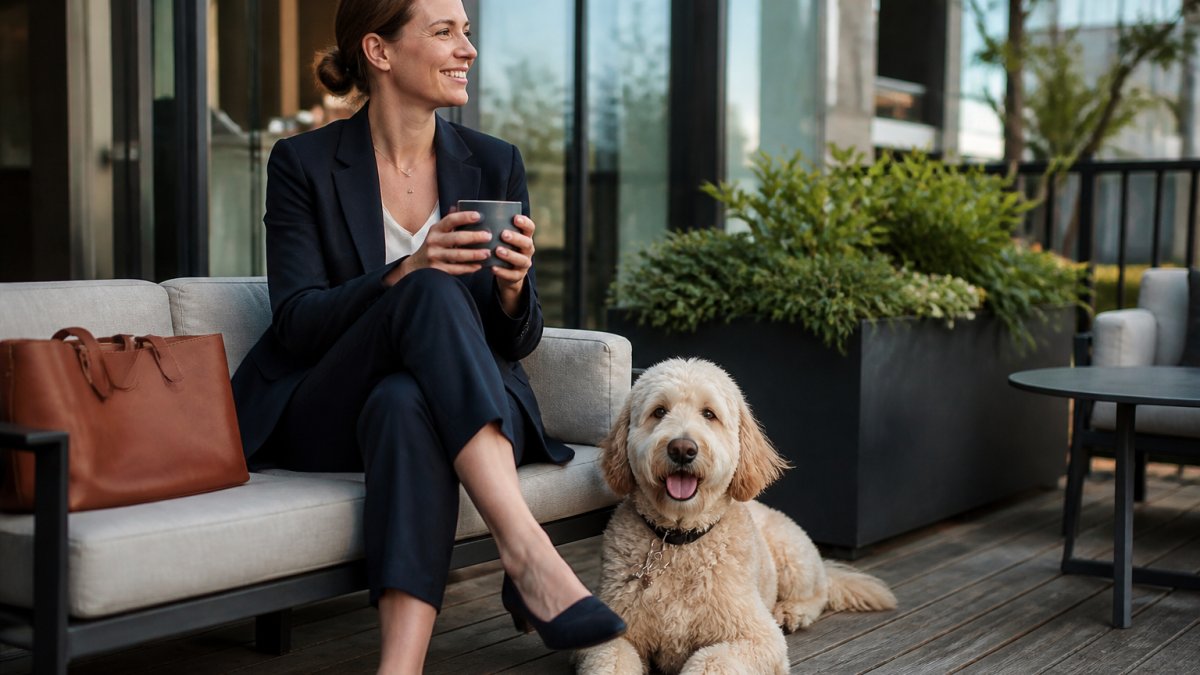
The dog breeds we've chosen share specific traits: they're comfortable spending time alone without developing separation anxiety, they don't require extensive grooming, and their energy levels match a realistic exercise routine, not the Instagram fantasy of two-hour daily hikes.
| Breed | Exercise Needs | Grooming | Best For | Space |
|---|---|---|---|---|
| French Bulldog | 30-45 min/day | Minimal | Apartment living | Small |
| Cavalier King Charles Spaniel | 30-60 min/day | Moderate | Affectionate companions | Medium |
| Basset Hound | 30-45 min/day | Minimal | Independent types | Medium |
| Boston Terrier | 30-45 min/day | Minimal | Active but adaptable | Small |
| Greyhound | 20-30 min/day | Minimal | Laid-back schedules | Medium |
Low-Maintenance Dog Breeds That Fit Your Schedule
The term "low-maintenance" doesn't mean no maintenance. It means breeds that don't spiral into destructive behavior when you work a full day, don't need professional grooming every six weeks, and don't require elaborate puzzle toys to stay mentally stimulated.
French Bulldogs are the gold standard for busy lifestyles. They're small enough for apartments, have minimal grooming needs, and genuinely prefer lounging on the couch to long outdoor adventures.
Cavalier King Charles Spaniels occupy the sweet spot between affectionate and independent. They love attention when you're home but won't develop separation anxiety if you're gone for eight hours.
Basset Hounds might surprise you as a busy-lifestyle pick. Their reputation for stubbornness is actually independence, which translates to comfort being alone. They're food-motivated, which makes training straightforward. Their short coats need minimal care.
Boston Terriers combine small size with genuine personality. They're playful without being hyperactive, adaptable to apartment living, and their coat requires only occasional brushing. They do well with moderate daily exercise and handle alone time without distress.
Greyhounds sound counterintuitive for busy people, but retired racing Greyhounds are genuinely low-energy. They're sprinters, not distance runners. Many sleep 18-20 hours daily. They need 20-30 minutes of moderate walking and then they're satisfied. Their short coats require almost no grooming.
Best Dogs for People Who Work Full-Time
Working full-time with a dog means finding a breed that doesn't unravel when you're gone. The best dogs for people who work full-time are those with genuinely independent temperaments, not breeds that merely tolerate solitude.
Separation anxiety is the real problem. A dog that can't handle being alone will develop destructive behaviors, chewing furniture, excessive barking, accidents indoors, regardless of how much you exercise them before leaving. The breeds listed above handle eight-hour workdays because they're naturally calm and self-soothing, not because they're being neglected.
French Bulldogs and Boston Terriers are particularly suited to full-time work because they're small enough to be left in a confined space without feeling trapped, yet they don't have the nervous energy that makes smaller breeds prone to barking or anxiety.
Basset Hounds thrive with full-time working owners because their independence means they're genuinely unbothered by your absence. They'll sleep through your workday without distress. Greyhounds similarly handle full-time work well, particularly retired racers who are used to structured schedules and quiet time.
The reality: no dog should be alone for more than eight to ten hours regularly. If your workday is longer, budget for a dog walker, doggy daycare, or a trusted neighbor to break up the day. This isn't optional for any breed, it's a welfare requirement.
Dogs That Can Be Left Alone During Work Hours
Not all dogs handle alone time equally. The best dogs that can be left alone during work hours are those with low separation anxiety, calm temperaments, and self-entertainment capacity.
French Bulldogs genuinely prefer solitude during the day. They're not social creatures demanding constant interaction. Eight hours alone doesn't distress them. They'll nap, drink water, and wait for you without developing behavioral problems.
Basset Hounds are equally comfortable alone. Their independent nature means they don't interpret your departure as abandonment. They're content in a comfortable space with water and a bathroom break beforehand.
Greyhounds handle alone time better than most breeds because they're naturally low-energy. A retired racer left alone for eight hours will sleep most of the time.
Boston Terriers can be left alone, though they're more social than French Bulldogs. They do better with alone time if they're properly exercised before you leave and have a comfortable space to settle into.
Cavaliers are the wildcard. Some individuals handle alone time beautifully; others develop separation anxiety. It depends on the specific dog's temperament and how gradually you introduce alone time during the first months of ownership.
Watch out: any dog left alone for more than ten hours regularly will develop behavioral issues, regardless of breed. The alone-time capacity of these breeds is eight hours maximum as a routine standard.
Realistic Care Costs and Time Commitments
"Low-maintenance" doesn't mean free or effortless. Budget realistically before committing.
Daily time commitment for any of these breeds: 45 minutes minimum. This includes a morning walk or outdoor time, feeding, water, and evening attention. If you're working full-time and commuting, this is a genuine daily cost.
Kinda Busy Being a Dog Mom T-Shirt →
Annual veterinary care runs $500-$1,200 depending on the breed and your location. French Bulldogs and Boston Terriers sometimes face breathing issues that require specialist care, pushing costs higher.
Food costs vary by breed size. A French Bulldog costs roughly $30-$50 monthly; a Greyhound $40-$70 monthly. Over a year, that's $360-$840 for food alone.
Grooming for low-shedding breeds is minimal, maybe $50-$100 annually for nail trims and occasional professional baths. High-shedding breeds like Basset Hounds need more frequent home maintenance but don't require professional grooming.
Emergency vet care is the real financial wildcard. A single emergency visit can cost $1,500-$3,000. Pet insurance helps, running $20-$50 monthly depending on coverage.
Dog walking or daycare during work hours, if needed, costs $15-$30 per visit. If you need this three days weekly, budget $180-$360 monthly.
Total realistic annual cost: $2,000-$4,000 for food, routine vet care, supplies, and occasional professional services. This doesn't include emergency care or pet insurance. If you're budgeting for daycare or dog walking, add another $2,000-$4,000 annually.
Adult Dogs and Rescue Options for Busy Lifestyles
Puppies are time-intensive. They need frequent bathroom breaks, training, socialization, and constant supervision. If you work full-time, a puppy is genuinely not compatible with your schedule, not because you're a bad person, but because puppies require involvement that full-time work prevents.
Adult dogs from rescues are often a better fit. A two-year-old rescue dog comes housetrained, past the destructive chewing phase, and with a known temperament. You know whether they have separation anxiety before committing. Many rescue dogs are grateful for stable homes and adapt quickly to routines.
Rescue organizations often have adult Greyhounds, Basset Hounds, and other breeds suited to busy lifestyles. Check out the Foster Dog Mom Rescue Mama T-Shirt to celebrate your commitment to rescue dogs. Ask specifically about dogs that handle alone time well and have low energy levels.
The foster-to-adopt route is valuable for busy people. Foster a dog for a week or two before committing. You'll see how they handle your actual schedule, your commute, your home, and your work demands. This real-world trial prevents heartbreaking returns.
Adopting an adult dog costs $50-$300 in adoption fees, significantly less than a puppy from a breeder. The dog often comes with initial vet care included. You're also giving a home to a dog that might otherwise stay in a shelter.
Celebrate Your Dog Mom Identity with Apparel That Speaks to You
Being a busy dog mom isn't a phase, it's an identity. Explore best dog apparel for active moms that celebrates your lifestyle.
Finding apparel that actually captures this reality matters. Generic dog mom shirts miss the mark because they lean into saccharine cuteness rather than the honest chaos of life with a dog.
The Kinda Busy Being a Dog Mom T-Shirt speaks directly to the scheduling reality. It's made for the woman whose life revolves around walks, treats, vet appointments, and asking "Who's a good baby?" approximately 47 times a day.

For the woman who genuinely would rather be home with her dog, the I Left My Dog to Be Here T-Shirt is the honest declaration.

The Happy People Drink Coffee & Pet Dogs Dog Mom T-Shirt captures the morning ritual that defines busy dog mom life: caffeine first, dog cuddles immediately after.

For the woman whose priorities are clear, the Dogs Make Me Happy, Humans Make My Head Hurt Dog Mom T-Shirt says it plainly.
The Pawsitive Love Women's Minimalist Heart & Paw Graphic Tee works for dog moms and animal lovers broadly.
All ThoughtMerch apparel is made from soft, durable fabric with vibrant DTG printing that lasts through regular washing. Cold water wash and low-heat drying keep the designs intact.
Choosing the right dog breed for a busy lifestyle isn't about settling for less companionship. Budget honestly for food, vet care, and time, consider adult rescue dogs over puppies, and celebrate your dog mom identity with apparel from ThoughtMerch that actually captures what this life feels like. Shop this collection and find the tee that speaks to your relationship with your dog.
Frequently Asked Questions
What dog breed is good for a busy woman?
Breeds like French Bulldogs, Basset Hounds, and Cavalier King Charles Spaniels work well for busy women because they need minimal grooming, moderate exercise, and are content with calm indoor time. Look for breeds with lower energy levels, independent temperaments, and shorter grooming routines. Adult dogs from shelters are often excellent choices too, as their personalities are already established and many are already trained.
Can low-maintenance dog breeds be left alone during a workday?
Yes, certain low-maintenance dog breeds handle alone time better than others. Basset Hounds, Greyhounds, and Boston Terriers are naturally independent and can manage 6-8 hours alone if they have water, a safe space, and some mental enrichment. However, no dog should be left alone every single day without breaks. Consider a dog walker, pet sitter, or doggy daycare a few times weekly to prevent separation anxiety and ensure your dog gets social interaction.
Should I adopt an adult dog if I have a busy schedule?
Adult dogs are often ideal for busy women. They're past the demanding puppy stage, often already housetrained, and their personalities are known. Many rescue dogs are calm, grateful companions who thrive with a structured routine. Adult dogs typically need less constant supervision than puppies and often settle into quiet companionship while you work. Rescue organizations can help match you with a dog whose energy level and temperament fit your lifestyle.
What's the total cost of owning a low-maintenance dog on a busy schedule?
Beyond the adoption fee, expect roughly $1,500-$2,500 annually for food, basic veterinary care, and supplies for a low-maintenance breed. Emergency vet care, pet insurance, and training can add more. Budget for unexpected expenses and consider pet insurance early to avoid financial stress.
Are small dogs better for busy owners than large breeds?
Not necessarily. Size matters less than temperament and energy level. Small breeds like Pugs and Boston Terriers are often low-maintenance, but some small breeds have high anxiety or need frequent grooming. Large breeds like Greyhounds and Basset Hounds can be calm and independent. The best dog for a busy owner is one with a naturally calm temperament, moderate exercise needs, and minimal grooming, regardless of size. Focus on breed traits, not just physical size.

