

Table of Contents
- What Makes a High Quality Graphic Tee: The Essentials
- How to Know If a Shirt Is High Quality: Fabric Inspection
- How to Check T-Shirt Print Quality
- Seams, Stitching, and Construction Details
- Fit, Sizing, and Shape Retention
- How to Wash Graphic Tees to Preserve Quality
- Your Quality Inspection Checklist
- Frequently Asked Questions
Last Updated: October 14, 2026
What Makes a High Quality Graphic Tee: The Essentials
A high quality graphic tee combines three core elements: durable fabric that feels soft and holds its shape, a print that resists cracking and fading, and construction details that last through regular washing.
Most people assume all graphic tees are created equal. They're not. The difference between a shirt that lasts one season and one that lasts years comes down to specific choices in fabric weight, print method, and how seams are finished.
How to Know If a Shirt Is High Quality: Fabric Inspection
The fabric is where quality starts. A quality graphic T-shirt feels substantial in your hands, not thin or flimsy. When you hold it up to light, you shouldn't see through it easily.
Understanding Fabric Weight: 180 GSM vs 200 GSM T-Shirt
Fabric weight measures how heavy the material is per square meter. GSM stands for grams per square meter.
A 180 GSM t-shirt is lightweight and breathable. It's comfortable for warm weather. But it wears faster and shows prints less vividly.
A 200 GSM t-shirt feels substantial. The extra weight means better durability. Prints show more vibrant colors.
Here's the practical difference: a 180 GSM shirt might fade noticeably after 20-30 washes.
Quality shirts typically fall between 180-220 GSM. Anything below 150 GSM feels cheap and won't last.
Cotton Content and Blend Ratios
The percentage of cotton matters for comfort, durability, and print quality.
100% cotton is the gold standard for graphic tees. It breathes well, feels soft, and holds prints beautifully. Cotton also shrinks predictably, which manufacturers account for.
Cotton blends (usually 80-90% cotton with polyester) offer benefits and trade-offs. Polyester adds durability and reduces shrinkage. But too much polyester makes the shirt feel plastic-like and reduces breathability.
Look for at least 85% cotton content. Below that, the shirt loses the comfort and print quality you want.
Feel and Softness
Run your hand across the fabric. High quality graphic tees feel smooth and soft, not rough or stiff. This comes from how the cotton is processed and how tightly it's knitted.
A stiff shirt usually means lower quality cotton or a looser knit. After washing, stiff shirts often stay stiff. Soft shirts stay soft because the fiber quality is better.
Press your thumb into the fabric. Quality cotton springs back quickly. Cheap fabric stays compressed.
How to Check T-Shirt Print Quality
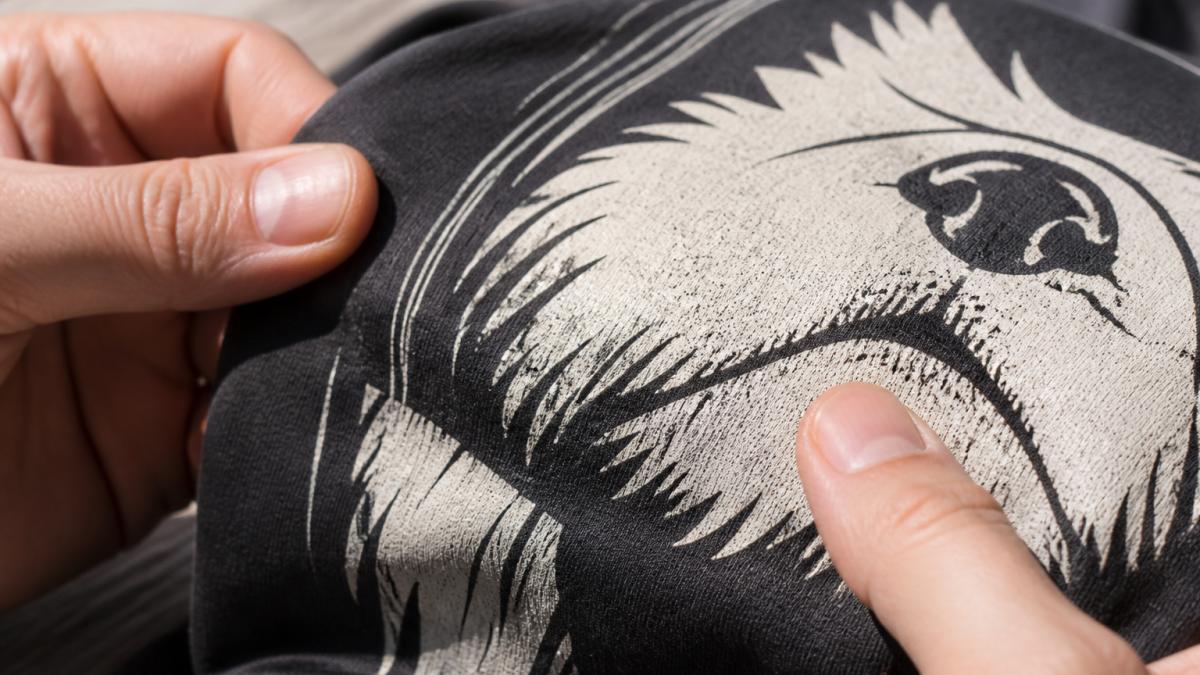
The print is what makes a graphic tee special. A quality print stays vibrant and intact. A poor print cracks, peels, or fades within months.
Identifying Print Methods
Different print methods create different durability profiles.
Screen printing is the most common method. The design is pushed through a mesh screen onto the shirt.
Print-on-demand uses direct-to-garment (DTG) printing. The design is printed directly onto the shirt like an inkjet printer. This creates a softer feel but less durability.
Plastisol transfers involve printing onto a plastic film, then heat-pressing it onto the shirt. This creates a plastic-like feel and cracks easily with movement.
Screen printing is superior for durability.
To identify the method, feel the print. Screen printing feels slightly raised and textured. DTG feels flat and soft.
Assessing Print Durability and Finish
A quality print resists cracking, peeling, and fading. Here's how to assess it:
Check the edges. Quality prints have clean, sharp edges. Blurry or fuzzy edges indicate poor screen registration or lower quality DTG printing.
Feel for flexibility. Gently flex the fabric where the print is. A quality print flexes with the shirt. A poor print feels stiff and starts cracking immediately.
Look for color vibrancy. Quality prints use vibrant, saturated colors. Dull colors suggest cheap ink or poor color matching.
Examine under light. Hold the shirt up to natural light. Quality prints don't show excessive ink buildup. Cheap prints look thick and uneven.
Test water resistance. Dampen a cloth and gently rub the print. Quality prints don't immediately bleed or transfer color.
Seams, Stitching, and Construction Details
Construction separates good shirts from great ones. Pay attention to the details that take the most wear.
Side seams should be straight and even. Wobbly stitching indicates rushed manufacturing. Run your finger along the seam.
Neckline stitching gets constant stress from pulling the shirt over your head.
Sleeve seams should be flat and smooth. Raised or puckered seams indicate poor quality. These seams will weaken faster.
Hem quality matters for longevity. The bottom hem should be sewn with tight, even stitches.
Tagless labels are a quality signal.
Fit, Sizing, and Shape Retention
A quality graphic tee holds its shape. It doesn't bag out or shrink unevenly.
Check the cut. Quality shirts have a consistent, flattering cut. The sleeves should align properly with the shoulder seam.
Feel the drape. Hold the shirt at the shoulders and let it hang. Quality fabric drapes smoothly without bunching.
Sizing consistency matters. Quality manufacturers maintain tight tolerances.
Shrinkage is predictable with quality shirts. Most quality 100% cotton shirts shrink 5-7% in the first wash.
After washing, a quality shirt should look essentially the same. The fit shouldn't change dramatically.
How to Wash Graphic Tees to Preserve Quality
Even a quality shirt deteriorates with poor care. Washing matters.
Turn the shirt inside out before washing. This protects the print from friction and fading.
Use cold water. Hot water fades colors and weakens fabric fibers. Cold water preserves both.
Gentle cycle is best.
Wash with similar colors. Dark shirts with dark items, light with light.
Don't overload the machine. Crowded washing creates friction that damages prints and seams.
Air dry when possible. The dryer's heat and tumbling damage prints and shrink fabric (Optimizing washing conditions for smart fabrics: a comprehensive study).
If you must use a dryer, use low heat and remove promptly.
A quality shirt washed properly lasts years.
Your Quality Inspection Checklist
Use this checklist to spot high quality graphic tees when evaluating any shirt, in a store, from a friend's closet, or when your online order arrives. It's organized as a step-by-step inspection you can run in under two minutes. Print it or save it to your phone.
Step 1: Fabric Feel and Weight (30 seconds)
- Hold the shirt up to a light. Can you see through it easily? If yes, the fabric is too thin for a durable graphic tee. Quality shirts should be opaque.
- Crumple a section in your hand. Quality cotton springs back with few wrinkles. Cheap fabric stays compressed or feels stiff.
- Check the tag for GSM or fabric weight. Look for 180-220 GSM. Below 150 GSM feels flimsy; above 220 GSM may be too heavy for everyday wear. If GSM isn't listed, feel the weight relative to a shirt you already own.
- Check cotton content. Aim for 85% cotton or higher. 100% cotton is ideal for print quality and breathability. Blends with more than 15% polyester can feel plastic-like and may pill faster.
Step 2: Print Inspection (30 seconds)
- Feel the print. Screen printing feels slightly raised and textured. DTG feels flat and soft. Plastisol transfers feel like plastic. Embroidery is thread.
- Flex the print. Gently stretch the printed area. A quality print flexes with the fabric and snaps back. A poor print cracks or feels stiff.
- Check the edges. Clean, sharp edges indicate good registration and curing. Blurry or fuzzy edges suggest poor quality.
- Look for color vibrancy. Dull or washed-out colors mean cheap ink or poor color matching.
- Do a quick rub test. Dampen a cloth and rub gently. Minimal color transfer is normal; heavy transfer means the dye or ink isn't properly set.
Step 3: Construction and Stitching (30 seconds)
- Run your finger along the side seams. They should be straight and smooth, not wobbly or bumpy.
- Check the neckline. Look for at least two rows of tight, even stitching. Stretch it gently, it should snap back without staying stretched.
- Inspect the hem. The bottom hem should lie flat with tight, even stitches. Wavy or puckered hems indicate poor construction.
- Check sleeve seams. They should be flat and smooth, not raised or puckered.
- Look for tagless labels. Tagless is a comfort signal and often indicates the manufacturer paid attention to details.
Step 4: Fit and Shape Retention (15 seconds)
- Check the cut. Sleeves should align with the shoulder seam. The body should taper slightly, not be a straight box.
- Feel the drape. Hold the shirt at the shoulders and let it hang. Quality fabric drapes smoothly without bunching.
- Ask about sizing consistency. If you're buying multiple colors or designs, a quality manufacturer maintains tight tolerances. Cheap manufacturers vary wildly.
Step 5: Post-Wash Tests (after first wash)
- Measure shrinkage. Compare length and chest width before and after washing. Quality 100% cotton shrinks 5-7%. More than 10% is a red flag.
- Check colorfastness. Compare the shirt's color to a pre-wash photo. Noticeable fading after one wash means low dye quality.
- Inspect the print. Look for new cracks, peeling, or fading. Quality prints should look essentially the same after the first wash.
- Check seam integrity. Look for loose threads, separated seams, or a stretched neckline.
Quick Reference Table
| Quality Factor | What to Check | Red Flag |
|---|---|---|
| Fabric Weight | Hold it up to light; should feel substantial | Thin, see-through, feels flimsy |
| Cotton Content | Check tag; aim for 85%+ cotton | Below 80% cotton or polyester-heavy |
| Softness | Rub fabric; should feel smooth and soft | Rough, stiff, or scratchy feel |
| Print Method | Feel print texture; screen printing is raised | Flat DTG or plastic-like plastisol |
| Print Quality | Check edges, color vibrancy, flexibility | Blurry edges, dull colors, stiff print |
| Seam Quality | Run finger along seams; should be straight | Wobbly, uneven, or puckered stitches |
| Neckline | Check for reinforced stitching | Single row of loose stitches |
| Hem Quality | Examine bottom hem | Wavy, puckered, or loose hem |
| Shape Retention | Wear and wash test | Bags out, stretches unevenly, shrinks excessively |
| Shrinkage | Measure before and after first wash | More than 10% shrinkage |
| Colorfastness | Rub test and post-wash comparison | Heavy dye transfer or noticeable fading |
| Print Durability | Flex test and post-wash inspection | Cracking, peeling, or fading after 5-10 washes |
Frequently Asked Questions
How can you tell if a graphic tee is high quality?
Start with fabric: quality graphic tees use 200 GSM or heavier cotton blends that feel substantial and soft. Check the print for smooth edges and vibrant colors, screen-printed designs shouldn't feel thick or plasticky. Inspect seams for tight, even stitching and a reinforced neckline. Finally, examine how the shirt holds its shape after washing. These factors combined signal durability and longevity.
Which is better, 180 GSM or 200 GSM graphic tees?
200 GSM graphic tees offer better durability and comfort. GSM (grams per square meter) measures fabric weight and density. At 200 GSM, the fabric feels thicker, holds its shape better through multiple washes, and resists pilling and wear. 180 GSM shirts are lighter and more budget-friendly but may show signs of wear faster with regular use. For a shirt you'll wear frequently, 200 GSM is worth the investment.
How should you wash a graphic tee to keep the print from cracking?
Wash graphic tees inside out in cold water on a gentle cycle to protect the print from friction and heat. Avoid bleach and fabric softeners, which can damage both fabric and ink. Air dry whenever possible, heat from the dryer accelerates fading and print degradation. If you must use a dryer, use the lowest heat setting. Following these steps keeps prints vibrant and prevents the cracking that comes from repeated heat exposure.
What should you check in a T-shirt's seams and stitching?
Look for straight, evenly spaced stitches with no loose threads or gaps. Quality graphic tees have reinforced necklines with double-stitched seams that resist stretching and fraying. Run your finger along the side seams and armholes, they should feel smooth and flat, not puckered or uneven. Check that thread color matches the fabric. Poor stitching is a red flag for a shirt that won't hold up to regular wear.
