

Table of Contents
- Why Dog Shirts Shrink After Washing
- Understanding Dog Clothes Fabric and Care Labels
- How to Wash Dog Shirts to Prevent Shrinkage
- How to Prevent Clothes From Shrinking in the Dryer
- Can You Unshrink a Cotton Shirt?
- Choosing Quality Dog Shirts That Resist Shrinkage
- Frequently Asked Questions
Last Updated: October 7, 2026
Why Dog Shirts Shrink After Washing
If you've bought dog shirts only to watch them shrink after a few washes, you're not alone. This happens because of how fabric fibers behave when exposed to heat, water, and agitation.
The science behind shrinkage is straightforward. Natural fibers like cotton absorb water and swell. When heat is applied, those swollen fibers contract and relax into a smaller shape. Synthetic blends behave differently, but they're not immune to shrinkage either.
Here's what you need to know about why dog shirts shrink and how to stop it from happening.
How Heat Causes Fiber Contraction
Heat is the primary culprit behind shrinkage. When you expose cotton or wool to high temperatures, the fibers lose their elasticity and contract. This process is called thermal expansion and contraction.
Cotton fibers absorb moisture readily. When water enters the fiber, it causes swelling. The fiber stretches during washing. Then heat dries it out, and the fiber tightens back up, but often smaller than before.
The dryer is your biggest threat. Tumble drying at high heat can shrink a shirt by 5-10% in a single cycle. Air drying eliminates this risk entirely.
The Role of Water Temperature and Agitation
Hot water accelerates shrinkage. Warm and cold water cause less damage, but the mechanical action of washing machines matters too.
A gentle wash cycle uses less agitation than a standard cycle. This means fibers experience less mechanical stress. The fibers stay closer to their original shape. Water temperature works alongside agitation.
High-efficiency washers use less water and gentler agitation. This is actually better for dog apparel. Traditional washers with more aggressive action can cause more shrinkage, especially on delicate fabrics.
Natural Fibers vs. Synthetic Blends
Natural fibers like cotton and wool shrink more readily than synthetics. Cotton is hydrophilic, meaning it loves water. It absorbs moisture easily, swells, and then contracts when dried.
Wool is even more prone to shrinkage because of its scale structure.
Synthetic blends, polyester mixed with cotton, shrink less because polyester doesn't absorb water the way cotton does. A 50/50 cotton-polyester blend will shrink less than 100% cotton.
Quality dog shirts often use blended fabrics specifically to reduce shrinkage while keeping the comfort of natural fibers.
Understanding Dog Clothes Fabric and Care Labels
Care labels exist for a reason. They're the manufacturer's instructions on how to protect the garment. Reading them correctly is your first line of defense against shrinkage.
Reading Care Instructions for Pet Apparel
The care label tells you the maximum temperature, recommended wash cycle, and whether machine drying is safe. A label that says "warm wash" is warning you against hot water.
Look for these common symbols and what they mean:
- A tub with one line underneath = gentle cycle
- A tub with two lines underneath = delicate cycle
- An X through the tub = don't machine wash (hand wash only)
- An X through the dryer symbol = don't use the dryer
Dog-specific apparel often has care labels that differ from human clothing. Dog shirts may need gentler treatment because they're made with thinner fabrics or delicate embroidery. Always follow what the label says, not generic laundry advice.
If the label says "lay flat to dry," that's your cue that tumble drying will damage the shirt. Pet apparel designers include these instructions because they know how their fabrics behave.
Fabric Construction in Dog-Specific Garments
Dog shirts aren't made the same way as human shirts. They're shorter, narrower, and often use lighter fabrics because dogs generate their own body heat.
Quality dog apparel uses reinforced seams and durable stitching to withstand the wear and tear of active pets. However, the fabric itself may be thinner than human clothing.
Dog-specific garment construction also accounts for movement. The fabric needs stretch and flexibility. This is why many quality dog shirts use blended fabrics with a bit of elasticity.
When you're choosing a dog shirt, look for reinforced seams and quality stitching.
How to Wash Dog Shirts to Prevent Shrinkage
The washing process is where most shrinkage happens. Follow these steps to keep your dog's shirts fitting properly wash after wash.
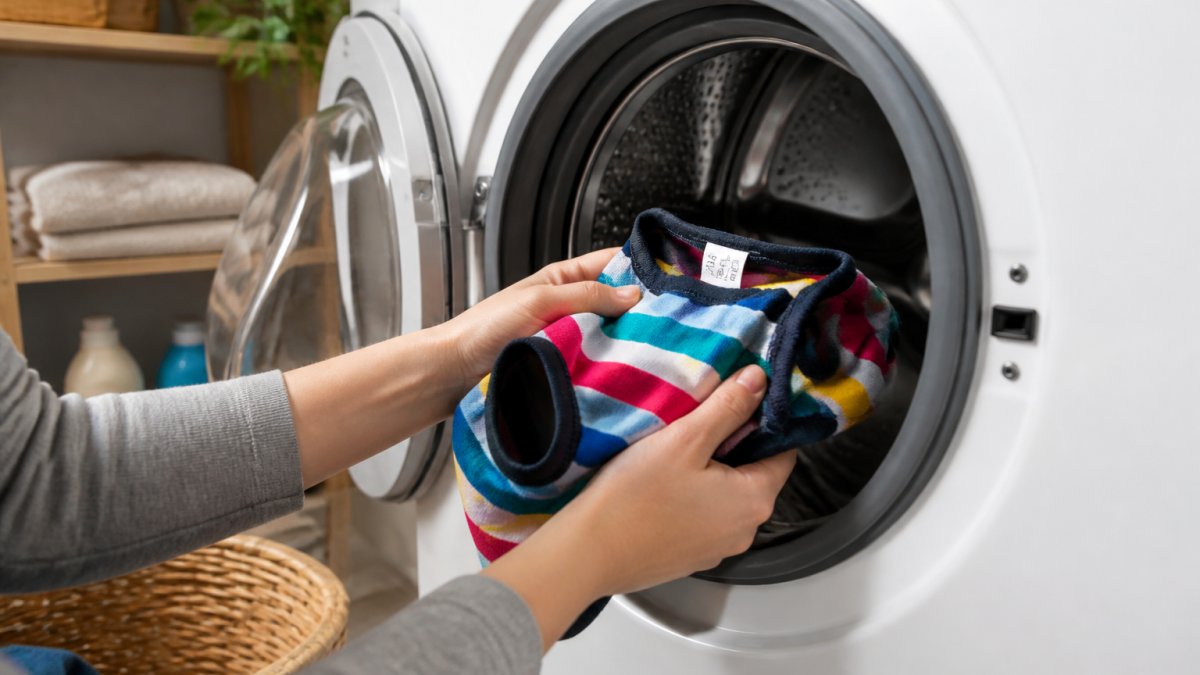
Step 1: Sort and Pre-Treat
Separate dog shirts from other laundry. Wash them with similar colors to prevent dye bleeding. Check pockets and seams for dirt or debris that could damage the fabric during washing.
Pre-treat any stains before washing. Use a gentle stain remover and let it sit for 15-30 minutes. Don't scrub aggressively. Rough handling can damage fibers and cause pilling.
Turn the shirt inside out before washing. This protects the outer surface and any printed designs from friction with other clothes.
Step 2: Choose the Right Water Temperature
Use cold water for dog shirts. Cold water prevents fiber swelling and reduces shrinkage risk significantly. It's also gentler on colors and helps preserve the fabric's integrity.
If the care label says "warm," use lukewarm water, not hot. Lukewarm is around 85-105°F. Hot water (above 130°F) accelerates shrinkage dramatically.
Cold water works just as well for cleaning. Modern detergents are formulated to work in cold water. You're not sacrificing cleaning power by choosing cold.
Step 3: Select a Gentle Wash Cycle
Use the delicate or gentle cycle on your washing machine. This reduces agitation and mechanical stress on the fibers. The shirt will still get clean, but with less risk of shrinkage.
Avoid the heavy-duty or normal cycle. These use more aggressive agitation and longer wash times. They're designed for sturdy fabrics like jeans and towels, not delicate dog apparel.
If your machine has a hand-wash setting, that's even better. Hand washing is the gentlest option, though it takes more time.
Step 4: Air Dry Instead of Tumble Drying
Never put dog shirts in the dryer. Air drying is the best way to prevent shrinkage entirely. Lay the shirt flat on a clean, dry surface or hang it on a clothesline.
If you must use a dryer, set it to the lowest heat setting and remove the shirt while it's still damp. Don't let it dry completely in the dryer.
Air drying takes longer, typically 4-8 hours depending on humidity and air circulation, but it's worth the wait. Your dog's shirts will last much longer.
How to Prevent Clothes From Shrinking in the Dryer
The dryer is the most common cause of shrinkage. Understanding how it works helps you avoid the problem entirely.
Why Tumble Drying Accelerates Shrinkage
The dryer uses high heat to evaporate moisture from fabric. This heat causes fibers to lose elasticity and contract. The tumbling action also puts mechanical stress on fibers, encouraging them to tighten.
High heat settings (above 130°F) are the worst offenders. Even medium heat can cause noticeable shrinkage in cotton and wool. Low heat is safer, but still not ideal for dog apparel.
The longer the shirt stays in the dryer, the more heat damage it sustains. A 30-minute cycle causes less shrinkage than a 60-minute cycle. If you use the dryer, shorter times are better.
Best Drying Practices for Dog Apparel
Air drying is always the best choice. Hang the shirt on a clothesline or lay it flat on a clean surface. Make sure air can circulate around the entire garment.
If you must use a dryer:
- Use the lowest heat setting available
- Remove the shirt while it's still slightly damp
- Use a 15-20 minute cycle instead of a full dry cycle
- Consider using wool dryer balls to reduce heat concentration on the garment
For delicate fabrics or embroidered designs, skip the dryer entirely. The combination of heat and tumbling can damage printed graphics and decorative elements.
Drying racks or flat surfaces work well for dog shirts. They take up space, but they preserve the garment's shape and size. This is especially important if you've invested in quality apparel from premium brands.
Can You Unshrink a Cotton Shirt?
Sometimes shrinkage happens despite your best efforts. The good news is that some shrinkage can be reversed, depending on how severe it is.
Restoration Techniques That Work
The most effective method uses hair conditioner or glycerin. Fill a sink with lukewarm water and add a generous amount of hair conditioner.
Gently stretch the shirt while it's wet. Work from the center outward, applying even pressure. Don't yank or pull aggressively.
Lay the shirt flat on a clean towel and continue stretching it gently. Pin the corners to a blocking board if you have one.
Another method uses white vinegar. Mix equal parts white vinegar and water.
For minor shrinkage, these methods work reasonably well.
When Restoration Isn't Possible
Severe shrinkage is harder to reverse. If a shirt has shrunk more than 20-30%, restoration techniques may not work well enough to be worth the effort.
Wool that has felted is nearly impossible to unshrink. Felting is a permanent change in the fiber structure. Once it happens, the damage is done.
Synthetic blends sometimes respond better to restoration than pure cotton because the polyester component resists shrinkage.
If restoration doesn't work, consider the shirt a learning experience. Use it as a smaller size for a growing puppy, or repurpose it as a cleaning rag.
Choosing Quality Dog Shirts That Resist Shrinkage
Not all dog shirts are created equal. Quality matters when it comes to shrinkage resistance.
What to Look For in Fabric Integrity
Examine the fabric closely before buying. High-quality dog shirts use tightly woven fabrics that resist shrinkage better than loosely woven ones. Run your hand over the material.
Check the weight of the fabric. Heavier fabrics generally shrink less than lightweight ones. A quality dog shirt should feel durable in your hands.
Look at the seams. Reinforced stitching indicates that the manufacturer expects the shirt to withstand washing and wear.
The fiber content matters too. A blend of cotton and polyester will shrink less than 100% cotton. Check the care label to see what you're getting.
Dog-Specific Garment Construction
Quality dog apparel is designed with your pet's anatomy in mind. The cut should allow for movement without excess fabric.
Seams should be flat and smooth, not raised or bulky. Raised seams can irritate a dog's skin during wear. Flat seams distribute pressure evenly.
Look for reinforced stress points like the neck opening and leg holes. These areas experience the most wear and tear. Reinforcement here signals quality construction.
Brands like ThoughtMerch invest in community testing before releasing designs.
When you're shopping for dog shirts, prioritize quality over price.
Dog shirt shrinkage doesn't have to be inevitable.
Frequently Asked Questions
Why do dog shirts shrink more than regular clothes?
Dog apparel often uses specialized fabric blends designed for fit and durability around a pet's body, which can respond differently to heat and mechanical action than standard garments. Cotton-heavy blends shrink significantly when exposed to hot water and tumble drying because heat causes fiber contraction and hydrophilic fibers absorb moisture, leading to fiber swelling and permanent dimensional change. Dog-specific garment construction may also use tighter weaves that amplify shrinkage rates.
What's the best water temperature for washing dog shirts?
Cold water (below 20°C) is ideal for preventing shrinkage in dog apparel. Cold water reduces fiber relaxation and minimizes thermal expansion that occurs with hot water. If you need warmer water for cleaning efficiency, use lukewarm water (no higher than 30°C) with a gentle wash cycle. Always check the fabric care labels on your specific shirt, as some blends tolerate slightly warmer temperatures better than others.
Can you really unshrink a cotton dog shirt?
Partial restoration is possible for mildly shrunken cotton garments using glycerin or hair conditioner soaks, which can relax fibers and restore some elasticity. Soak the damp shirt for 30 minutes, gently stretch it to original dimensions, then air dry flat. However, severely shrunken shirts rarely return to their original fit. Success depends on how much shrinkage occurred and the fabric blend, synthetic blends are harder to restore than pure cotton because synthetic fibers have less elasticity.
Should I buy dog shirts a size larger to account for shrinkage?
Not if you choose quality apparel with proper care. High-quality dog mom shirts from brands that prioritize fabric integrity and use pre-shrunk materials will maintain their fit through proper washing. Instead of buying oversized, invest in garments with clear care labels and follow cold water, gentle cycle, and air-dry practices. If a shirt is prone to significant shrinkage, that's a sign of lower-quality construction, a red flag when evaluating durability.
